Useful observations
Document what changed, where it appears, and whether severe weather or roof work preceded it.
- Granules at drainage points
- Cracking, curling, or lifting
- Missing or visibly damaged shingles
- Ceiling stains or moisture history
Read the pattern, not one symptom
Sun, heat, thermal cycling, wind, storms, and moisture events can influence how a Texas asphalt-shingle roof ages.
A professional roof assessment is required to determine the appropriate next step for a specific roof.
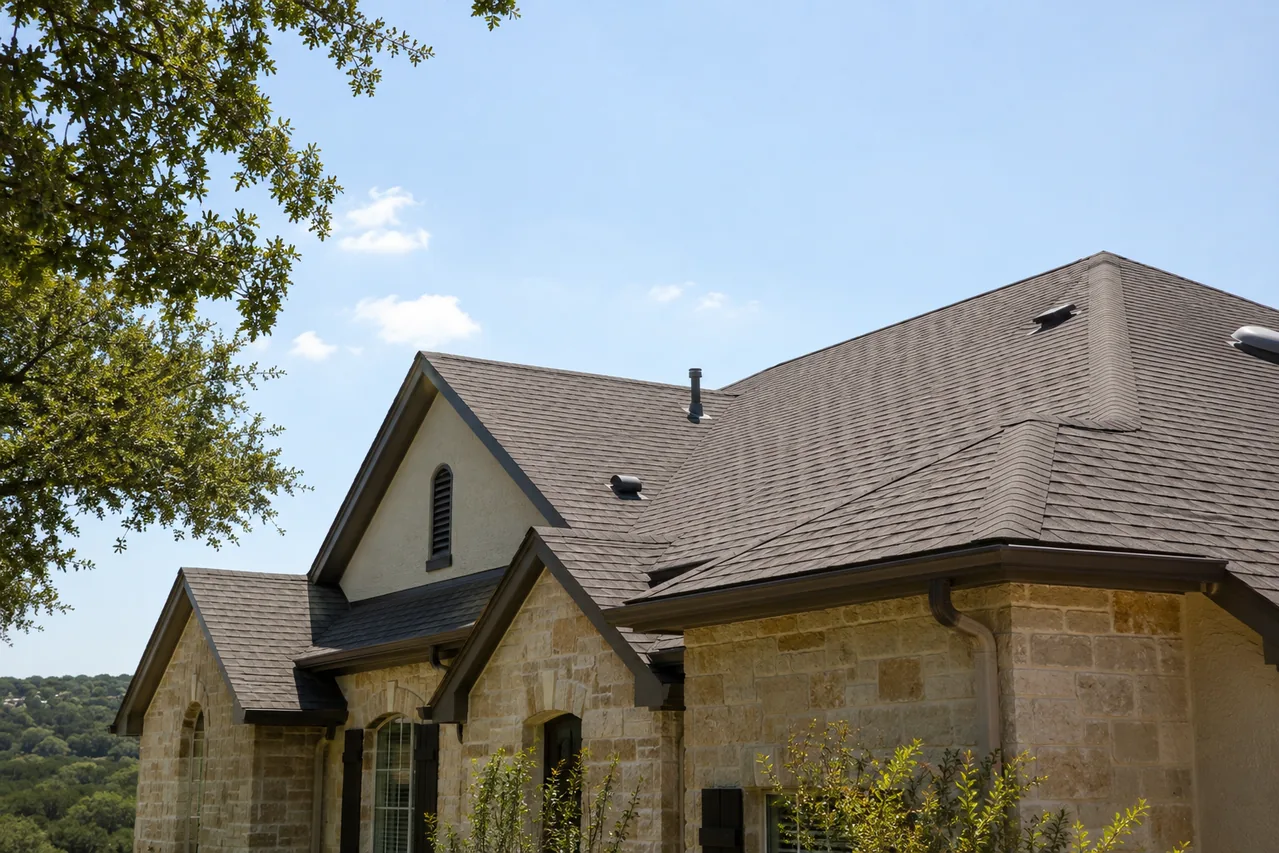
Responsible roof decisions
Sun, heat, thermal cycling, wind, storms, and moisture events can influence how a Texas asphalt-shingle roof ages.
One visible symptom rarely tells the whole story. Installation, ventilation, exposure, product, storm history, previous repairs, and the condition of the entire roof can change the responsible route.
Document what changed, where it appears, and whether severe weather or roof work preceded it.
Photographs support triage but cannot establish cause, concealed conditions, or treatment eligibility.
Continue your roof-life research
Inspect → Diagnose → Route
Professional assessment determines the appropriate route for a specific roof.
Find Out If Your Roof Qualifies