Treat leakage as its own problem
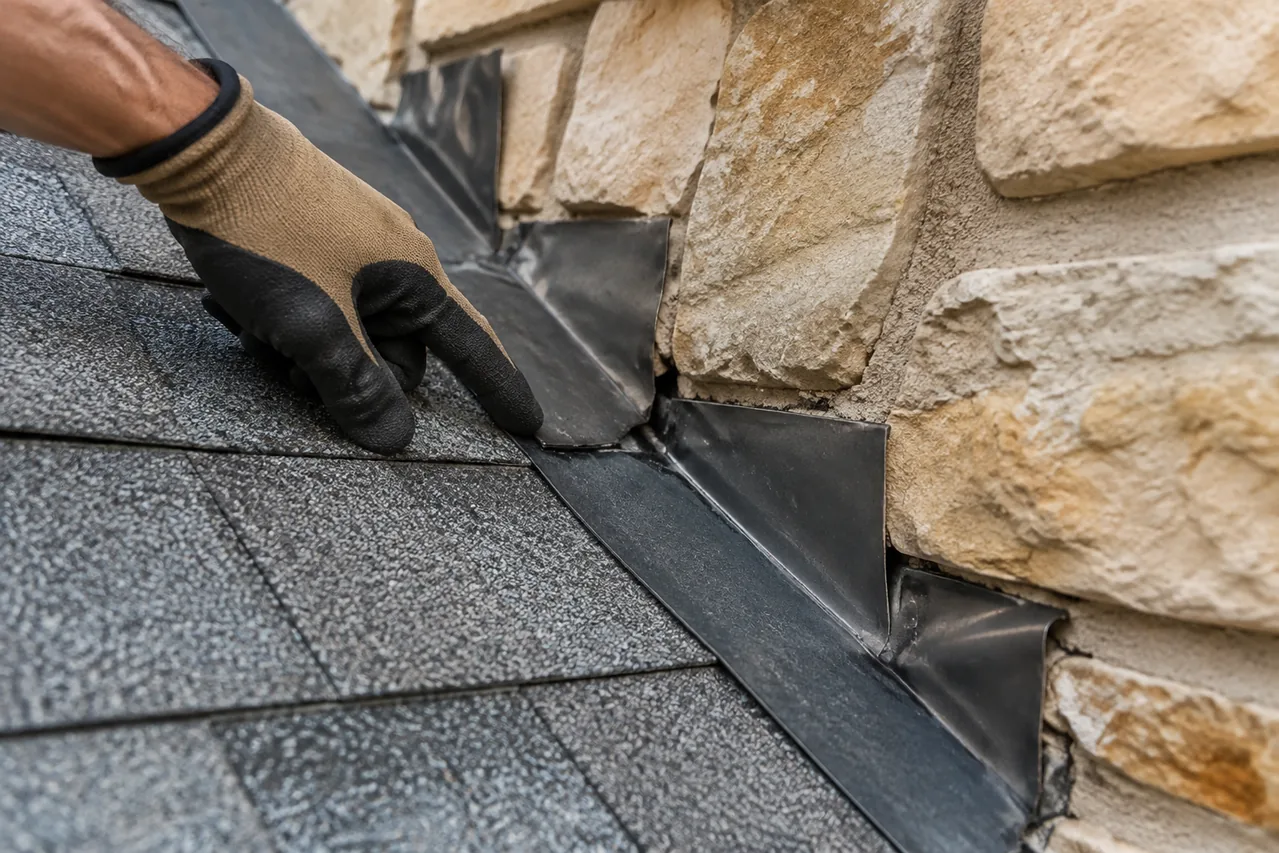
Water can enter through shingles, flashing, vents, walls, transitions, or other details, then travel before appearing indoors. The visible stain does not necessarily identify the source.
Rejuvenation is not leak repair
A preservation treatment should not substitute for diagnosing and correcting active leakage. Concealed moisture, wet insulation, decking deterioration, and structural effects may require further evaluation.
Respond to urgent conditions
Significant active leakage, sagging, electrical exposure, open storm damage, or unsafe conditions require prompt attention from an appropriate roofing or emergency professional.
Revisit preservation afterward
Once source, affected materials, and repair scope are understood, the remaining roof condition can be assessed. Some roofs may still merit preservation review; others will not.
How leak investigation narrows the source
A responsible investigation starts with when the leak occurs, the weather direction and intensity, interior stain location, roof geometry above the area, nearby penetrations or walls, and prior repairs. Water can travel along decking, framing, fasteners, or insulation before it becomes visible, so the indoor mark may be far from the entry point. Safe moisture readings, attic observations, controlled testing, or selective access may be appropriate depending on the building and condition. The objective is to identify the source and affected materials, not simply coat the most obvious exterior area.
Decide what comes after the repair
Once the source is corrected, confirm whether wet materials require drying, replacement, or further evaluation and whether the repair remains stable through appropriate weather exposure. Reassess the condition of the rest of the roof rather than assuming that one repaired leak makes it suitable for rejuvenation. If leakage is repeated, widespread, tied to deteriorated decking, or accompanied by broad shingle failure, replacement or specialist evaluation may be more responsible. Keep the investigation and repair documents so any later preservation recommendation accounts for the actual history.
Decision takeaway
A leaking roof is a source-and-damage investigation first. Protect people and property, identify how water is entering, determine what materials were affected, and complete the appropriate repair or replacement work. Only after that should anyone reconsider preservation of the remaining roof. Do not accept a treatment proposal that skips concealed moisture, flashing, penetrations, decking, or structural questions. An online form or photo cannot determine whether the repaired roof later becomes a candidate.