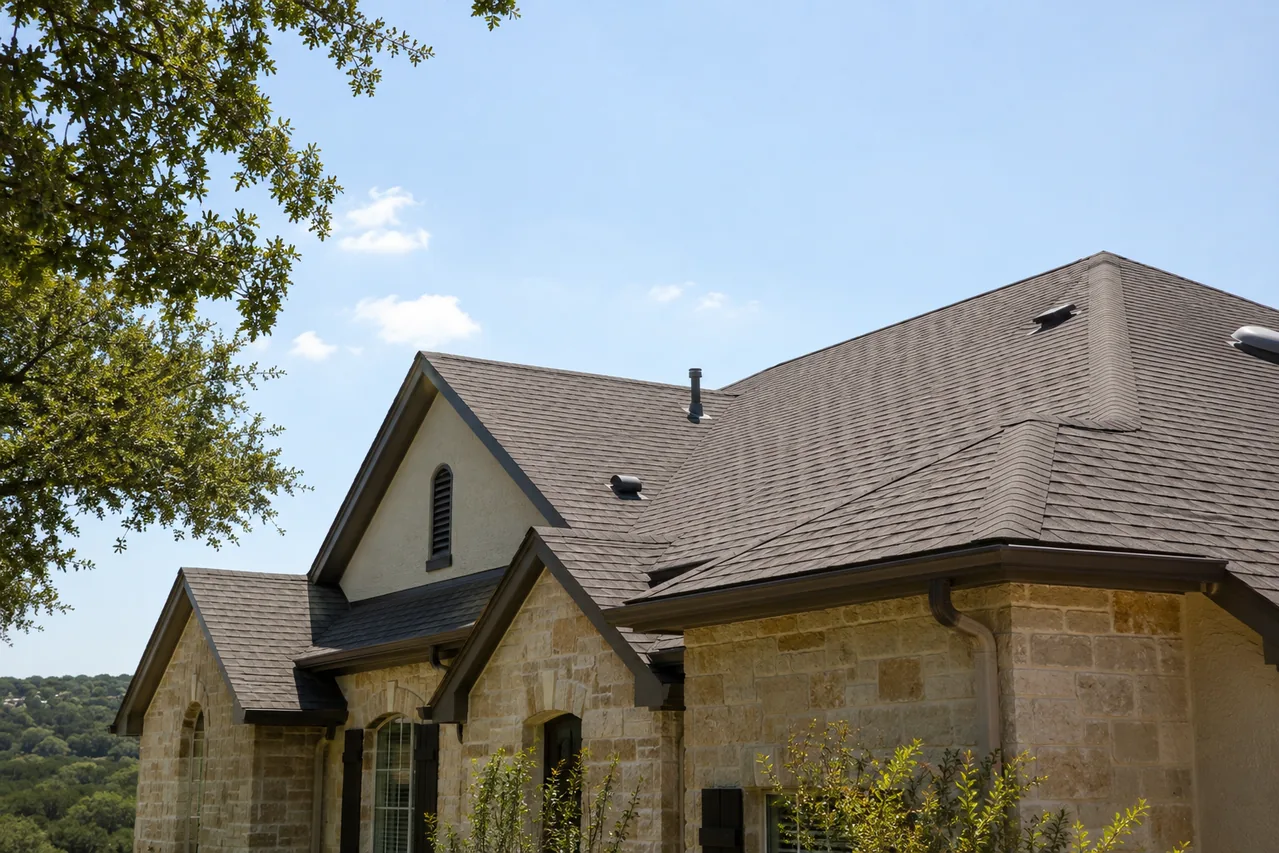
Storms and aging can overlap
An aging roof can also experience hail, wind, or debris effects. Surface wear that existed before a storm and event-related damage may appear together, making timing and documentation important.
Record the event safely
Note the date, reported conditions, new leaks, visible debris, missing shingles, and ground-level changes. Preserve prior photographs and repair records when available.
Do not rely on one photograph
Images may support triage but cannot establish all causes, hidden moisture, or the full distribution of effects. Avoid climbing onto a potentially damaged roof.
Route suspected damage appropriately
Active openings, significant leaks, or visible safety concerns need prompt professional attention. Treatment should not obscure unresolved storm damage.
Create a before-and-after record when possible
Pre-storm photographs, installation records, prior inspections, and repair history can help establish what was already present. After a storm, record the date, reported weather, interior changes, debris, displaced materials, and safe ground-level views. Do not alter or discard affected materials before appropriate review when doing so would erase useful evidence, unless emergency protection is required. Avoid walking on potentially damaged roofing. A professional may need to compare impact patterns, directional effects, roof accessories, soft metals, and surrounding property conditions while recognizing that no single mark determines the cause.
Keep assessment independent from claim outcomes
A roofing assessment can document condition and recommend emergency protection, repair, monitoring, specialist review, or replacement. Insurance coverage, causation, scope, and payment are decisions governed by the policy and claim process, not by a treatment website. Rejuvenation should not be used to cover unresolved storm effects or interfere with needed documentation. Ask each participant to explain its role and preserve written findings. If aging and event-related concerns overlap, the responsible route may require both a storm-focused review and a broader roof-life decision after urgent conditions are handled.
Decision takeaway
After severe weather, address immediate safety and water entry, preserve useful evidence, and obtain the appropriate condition and claim guidance without assuming every mark has one cause. Aging, repairs, and storm effects can coexist. Keep each professional’s role clear and do not use rejuvenation to bypass unresolved damage. Once urgent conditions and documentation are handled, the remaining roof can be routed to repair, monitoring, preservation assessment, specialist review, or replacement.