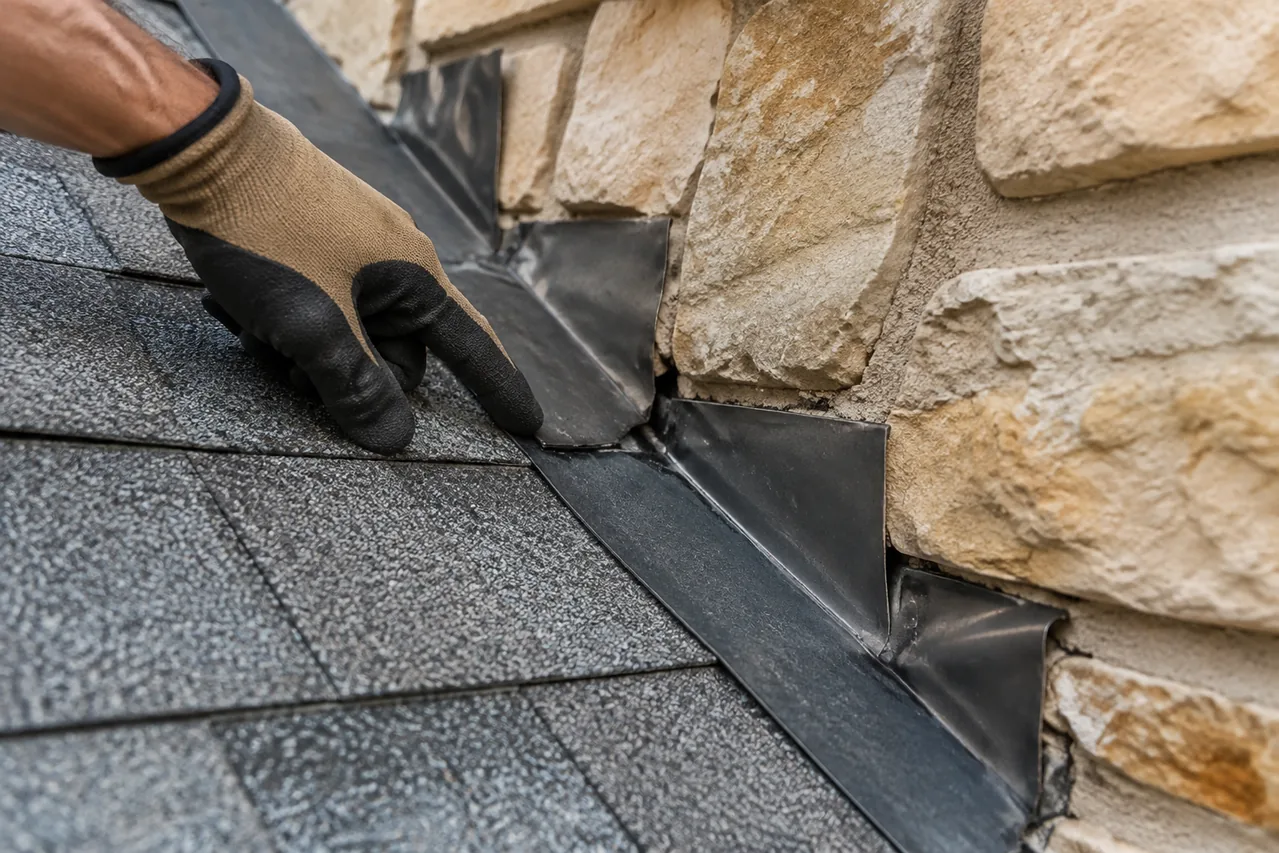
Repair corrects a defect
Roof repair may address a localized missing shingle, flashing failure, penetration detail, limited storm damage, or diagnosed leak source. The repair scope should match the cause and affected materials.
Rejuvenation is a preservation question
Rejuvenation is not designed to rebuild failed details. It may be discussed only after necessary repairs and the broader asphalt-shingle condition are understood.
Some roofs need both evaluation steps
A roof may need repair first and then a separate assessment of whether preservation remains responsible. Other repair findings may show replacement or specialist review is the better route.
Ask for a clear boundary
Before treatment, ask what defects were found, what must be repaired, what the treatment is intended to do, and what it cannot correct.
Use a repair-first sequence when defects exist
First identify the defect and likely source, then define a repair that addresses the affected detail and materials. After repair, confirm that the observable problem is resolved and document what changed. Only then should the broader shingle condition be reconsidered for monitoring or preservation. This sequence prevents a treatment discussion from obscuring an unresolved leak, failed flashing, damaged penetration, or missing material. It also makes responsibility clearer when different contractors perform repair and treatment work. Some findings will end the preservation discussion because the surrounding roof is no longer a responsible candidate.
Questions that keep the scopes separate
Ask which line items are repairs and which are preparation for treatment. Ask whether replacement shingles can be matched and whether repaired areas have different application or warranty requirements. Ask how the leak source was confirmed, what concealed materials could not be viewed, and who will reassess if symptoms continue. The repair record should include location, photographs, materials, and completion date. A preservation proposal should then explain its own purpose and exclusions without claiming that it repaired structural, decking, flashing, or leakage problems that required a different scope.
Decision takeaway
Keep the diagnosis, repair, and preservation decisions traceable. A repair should correct a defined defect; rejuvenation should address only the preservation objective supported by the remaining roof condition. Do not let one scope silently stand in for the other. Document repairs and reassess as needed. If the defect or surrounding deterioration makes preservation irresponsible, that is a useful finding. The next step can be monitoring, further specialist evaluation, or replacement planning rather than treatment.