Different problems, different scopes
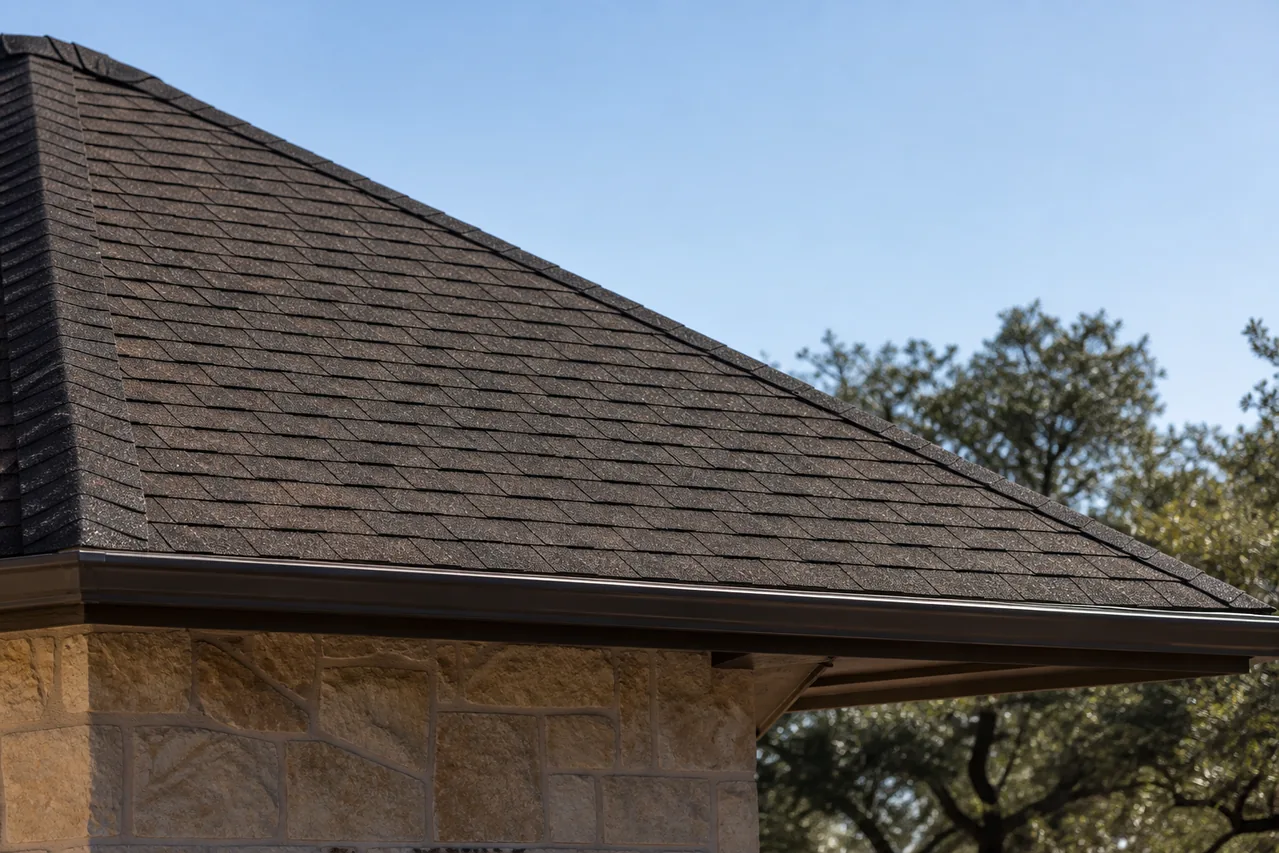
Rejuvenation is evaluated as a preservation option for a suitable existing asphalt-shingle roof. Replacement removes and rebuilds the roof covering and may be appropriate when the existing condition cannot responsibly be preserved.
When preservation may be discussed
The roof remains largely intact, major structural or decking concerns are not evident, repair needs are understood, and compatibility can be reviewed. These factors support evaluation; they do not guarantee eligibility.
When replacement may be responsible
Widespread failure, extensive missing materials, significant decking problems, repeated unresolved leakage, or condition beyond preservation can move the decision toward replacement or specialist evaluation.
Compare after assessment
Compare the actual roof condition, repair scope, risk, compatibility, expected maintenance, and appropriate professional recommendations—not only an advertised treatment claim and replacement price.
Compare the same facts for both options
Use one condition record when discussing preservation and replacement: roof type and age, inspection findings, leak and repair history, decking or structural concerns, flashing and penetration condition, storm history, product identification, and homeowner timing. Then compare what each proposal includes, excludes, and requires before work. A lower initial price does not establish that preservation is responsible, and an older installation date does not by itself establish that replacement is immediately necessary. The decision should account for uncertainty, expected follow-up, repair scope, disruption, documentation, and the consequences if hidden conditions are discovered.
Request proposals that can be evaluated later
A useful proposal identifies the inspected areas, preparation and repairs, exact product or roofing system, application or installation scope, exclusions, cleanup, documentation, and who handles unexpected conditions. Warranty language should name the issuer and explain coverage rather than blending product, contractor, and manufacturer promises. Avoid relying on an unsupported added-life number or a claim that every roof of a certain age follows the same path. Keep all proposals with the assessment so you can ask why recommendations differ and choose the route that best fits the roof evidence and acceptable risk.
Decision takeaway
Choose after the roof evidence and complete scopes are available. Preservation is meaningful only for a suitable existing roof; replacement is meaningful when the current covering or supporting conditions cannot be responsibly retained. Compare assumptions, exclusions, repair needs, documentation, disruption, warranty issuers, and follow-up—not just initial price or an advertised life-extension number. A human assessment may also identify an intermediate repair, monitoring, or specialist route instead of either headline option.