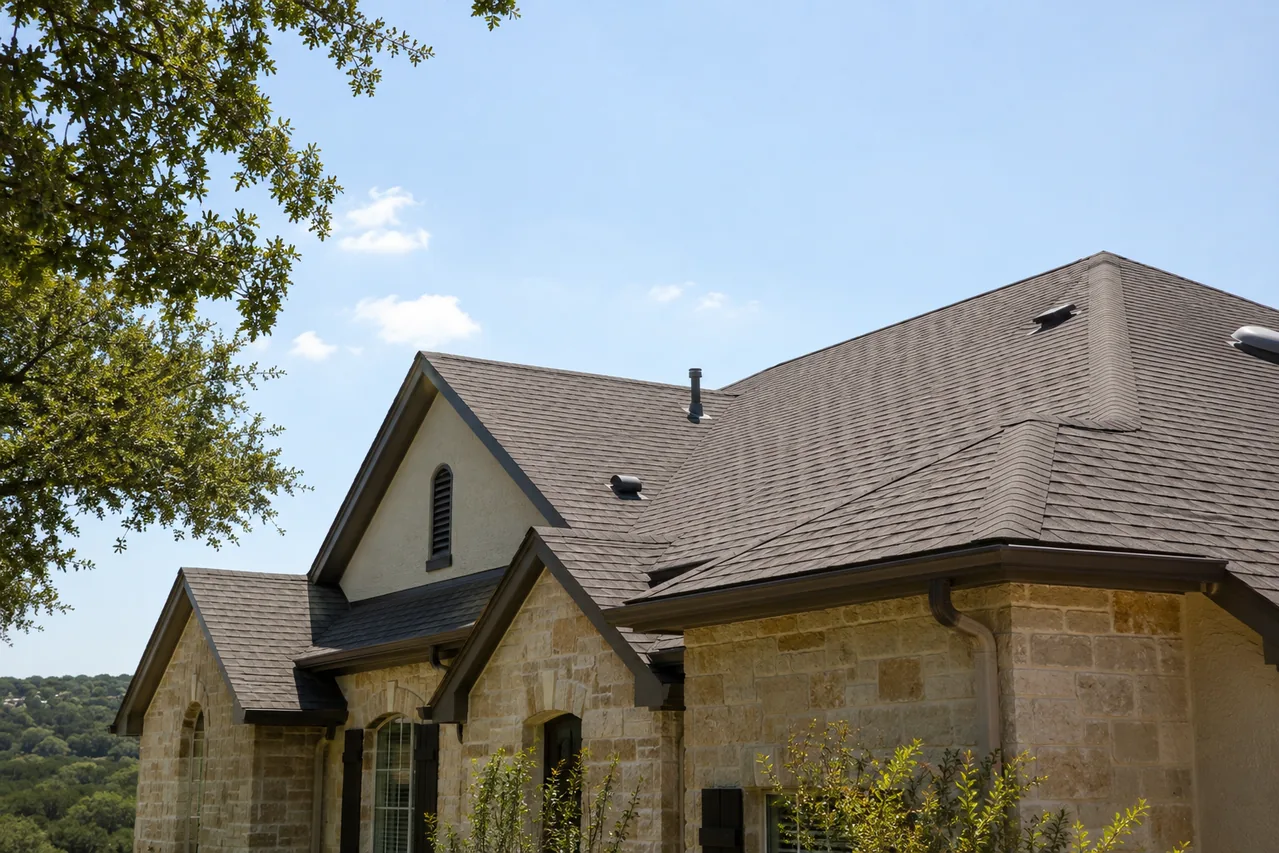
Exposure differs by roof
Texas roofs can receive prolonged sun and heat, but orientation, shade, color, slope, ventilation, installation, and local conditions influence the exposure of each roof plane.
Temperature change affects the system
Materials expand and contract as conditions change. Over time, thermal cycling can interact with installation details, fasteners, flashing, sealants, and shingle condition.
Avoid a one-cause diagnosis
Cracking, curling, granule change, or leakage should not automatically be attributed to heat. Wind, hail, moisture, installation, maintenance, product behavior, and age may also matter.
Use inspection and history together
Document which areas show change, when it appeared, and whether severe weather or repairs occurred. A professional assessment can evaluate the pattern.
Put seasonal exposure in roof-system context
Long sunny periods, high surface temperatures, cooler nights, storms, and changing humidity can create repeated environmental cycles, but roof response also depends on product, color, slope, orientation, shade, ventilation, underlayment, fastening, and installation details. A shaded north plane and an exposed west plane may not look alike. Debris or poor drainage can create localized moisture conditions that have little to do with broad sun exposure. Responsible assessment describes the pattern and related details before assigning heat or sunlight as the cause.
Practical steps that do not overpromise
Maintain safe drainage and address overhanging or storm-damaged vegetation through qualified services. Keep attic ventilation and insulation questions within appropriate professional evaluation rather than changing the system from a general web recommendation. Retain dated photos and repair records, especially when one plane changes faster than another. After major weather, look from the ground for obvious displacement or debris and check interior areas for new moisture signs. These practices support earlier decisions; they do not prevent all damage, reverse aging, or guarantee a particular roof life.
Decision takeaway
Texas exposure is relevant context, not a remote diagnosis. Record how each roof plane changes, keep drainage and surrounding conditions responsibly maintained, and escalate new leakage, displacement, or storm effects promptly. A professional should consider installation and assembly details alongside weather. Preservation may be worth evaluating for some substantially intact asphalt-shingle roofs, but heat or sunlight alone does not prove treatment eligibility, expected added life, damage cause, or replacement need.